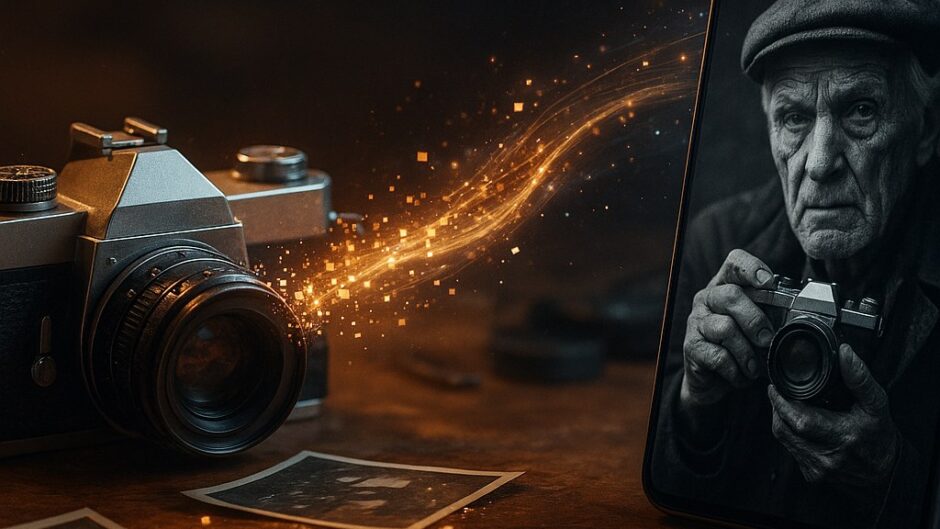
Walk into any newsroom today, and you’ll see photographers editing on laptops instead of light tables. Scroll through social media, and you’ll find photo essays that reach millions without ever touching newsprint. Digital technology hasn’t just changed documentary photography—it’s rewritten the rulebook entirely.
The shift from film to digital began decades ago, but we’re now experiencing something deeper. Modern digital tools affect everything from how stories get captured to who gets to tell them. Cameras have become smaller, faster, and more accessible. Distribution happens instantly. And the line between professional and citizen journalist has blurred beyond recognition.
This transformation matters because documentary photography serves as our visual record of truth. When the tools change, the stories change too. Let’s explore how digital technology is reshaping this vital art form.
The Democratization of Visual Storytelling
Not long ago, documentary photography required serious financial investment. A professional camera body could cost thousands. Film and processing added ongoing expenses. Darkroom access was essential. These barriers kept many talented voices out of the field.
Digital technology shattered those walls. Today, a capable mirrorless camera costs a fraction of what film-era equipment demanded. Smartphones produce images that rival professional gear from just ten years ago. Free editing software replaces expensive darkroom setups.
The numbers tell the story. According to recent industry reports, over 90% of photographs taken worldwide now happen on smartphones. This accessibility has unleashed a wave of diverse perspectives. Documentary projects now emerge from communities that were previously documented only by outsiders.
Consider the work of photographers using nothing but phones to document daily life in refugee camps, or indigenous communities capturing their own environmental struggles. These stories carry authenticity that outside observers often miss. Digital tools made this possible.
Instant Transmission and the 24-Hour News Cycle
Time used to be built into documentary work. Photographers shot assignments, shipped film, waited for processing, and hoped their images arrived before deadlines. That lag created space for reflection—some would say too much space.
Digital workflows eliminated the wait. Images transmit from camera to editor in seconds. Social media platforms publish instantly to global audiences. This speed has fundamentally altered how documentary stories unfold.
The Rise of Real-Time Documentation
Breaking news events now produce visual records within minutes. During major world events, the first images often come from bystanders rather than professionals. This immediacy creates powerful, unfiltered documentation.
Yet speed brings complications. The pressure to publish quickly can compromise verification. Misinformation spreads when images get shared without context. Documentary photographers must now work faster while maintaining accuracy—a difficult balance.
Social Media as Distribution Channel
Platforms like Instagram have become primary venues for documentary work. Photographers build audiences without traditional media gatekeepers. Long-term projects find viewers through hashtags and shares rather than gallery shows or magazine features.
This shift changes how stories get told. Square crops and vertical formats influence composition. Captions carry more weight. The scrolling attention span encourages shorter, punchier visual narratives.
Technical Evolution: From Darkroom to Lightroom
The technical transformation extends far beyond convenience. Digital sensors now exceed film in resolution, low-light performance, and dynamic range. Cameras shoot 30 frames per second silently. Autofocus tracks subjects with uncanny precision.
These capabilities expand what documentary photographers can capture. Available-light shooting in near darkness. Silent operation during sensitive moments. Extended coverage without film changes. The technical limitations that once shaped documentary style have largely vanished.
Post-Processing Possibilities and Pitfalls
Digital editing offers unprecedented control. Exposure, color, contrast—everything adjusts after capture. This flexibility allows photographers to rescue technically imperfect frames and achieve consistent visual styles across projects.
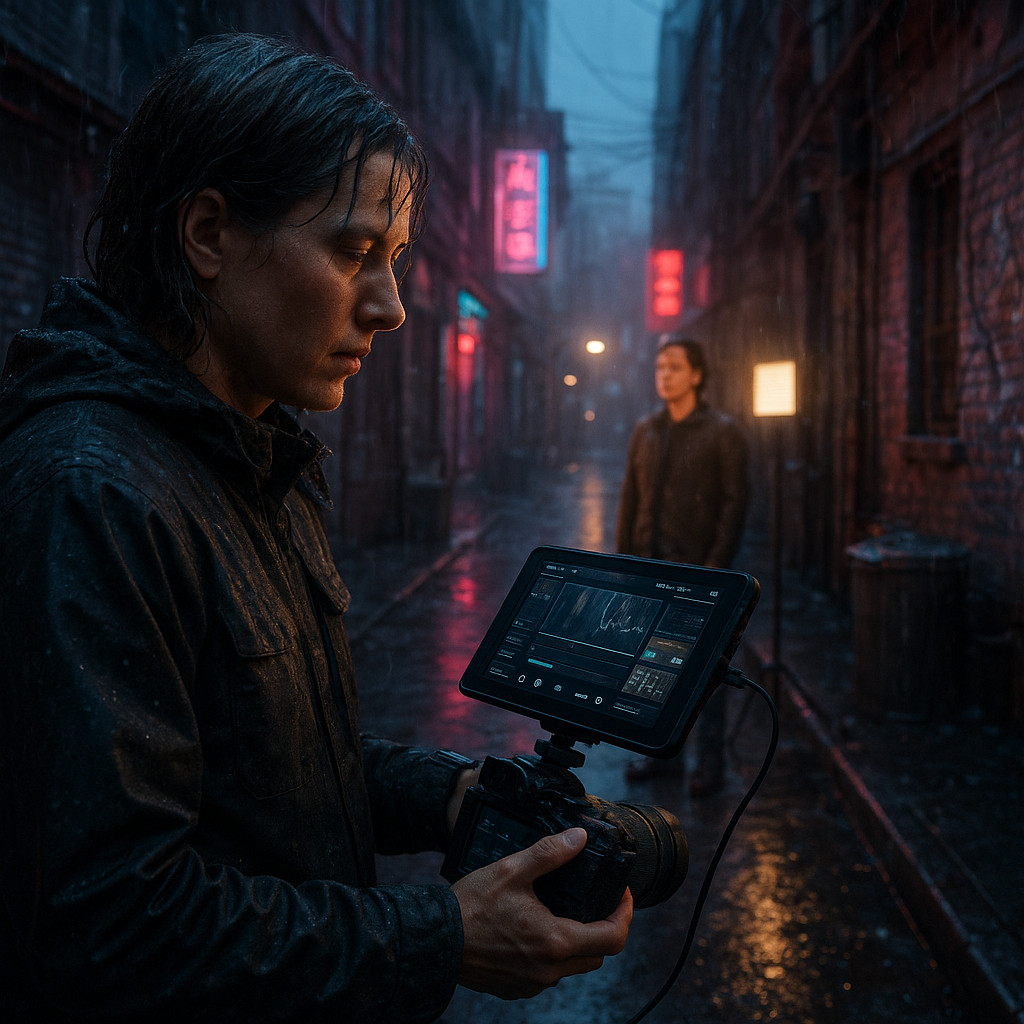
But post-processing raises ethical questions. How much adjustment is too much? When does enhancement become manipulation? Documentary photography’s credibility rests on perceived authenticity. Heavy editing threatens that foundation.
Major publications and contests have established guidelines. The World Press Photo competition, for example, requires submitted images to reflect what photographers witnessed, with only minor adjustments permitted. These standards attempt to preserve trust in an era of unlimited manipulation.
The Film Revival Question
Interestingly, digital dominance has sparked renewed interest in analog processes. Some photographers shoot film precisely because it slows them down and creates physical artifacts. This isn’t nostalgia—it’s a deliberate aesthetic and philosophical choice.
The difference matters. Film’s grain structure, color response, and highlight rendering create distinct looks. The inability to review images immediately forces different working methods. For certain documentary projects, these constraints become creative advantages.
Gen Z photographers have driven much of this revival, purchasing vintage cameras and exploring film stocks. Their interest reflects a broader desire for tangible, imperfect experiences in an increasingly digital world. The “digital camera” aesthetic—clean, sharp, immediate—has become so universal that film’s character now feels fresh.
AI, Automation, and the Future of Capture
Artificial intelligence represents digital technology’s newest frontier. Modern cameras incorporate AI for subject detection, exposure calculation, and even composition suggestions. Computational photography merges multiple frames into single images with expanded capabilities.
These tools promise to handle technical decisions automatically, freeing photographers to concentrate on storytelling. Yet they also raise concerns. If algorithms determine “optimal” exposure and framing, does individual vision suffer? Can documentary photography maintain its human perspective when machines make more decisions?
More troubling are generative AI capabilities. Software can now create photorealistic images from text descriptions. The implications for documentary credibility are serious. Viewers already question whether images are real; convincing fakes could erode trust entirely.
Professional organizations are responding. Some camera manufacturers now embed authentication metadata. Blockchain verification systems track image provenance. These technical solutions aim to preserve documentary photography’s evidentiary value.
The Changing Economics of Documentary Work
Digital technology disrupted traditional business models. Print publications shrank or closed. Stock photography prices collapsed under microstock competition. Staff photographer positions largely disappeared from newspapers and magazines.
Surviving in this environment requires adaptation. Documentary photographers now diversify income through multiple channels:
- Direct audience support through platforms like Patreon
- Print sales via online storefronts
- Workshop teaching and mentorship
- Grant funding for long-term projects
- Multimedia packages combining stills, video, and audio
This economic pressure affects creative decisions. Projects that attract social media engagement may receive funding over equally important but less “shareable” work. The metrics of digital distribution don’t always align with documentary value.
At the same time, digital tools enable projects that would have been impossible before. Remote collaboration, online research, and digital archives expand what’s achievable. A single photographer can now accomplish work that once required entire teams.
Ethical Frameworks for the Digital Age
Every technological shift demands ethical recalibration. Digital documentary photography presents distinct challenges that earlier generations never faced.
Privacy concerns intensify when images distribute globally and permanently. Subjects photographed for one context may find their likenesses repurposed endlessly. Facial recognition software can identify individuals in crowds without consent. The permanence of digital records creates risks that film-era subjects never encountered.

Representation questions have gained urgency. Who gets to tell whose stories? Digital accessibility has enabled more photographers from documented communities to create their own narratives. This shift challenges traditional power structures in documentary work—often called the “colonizer’s gaze”—and demands new collaborative approaches.
Verification responsibilities have multiplied. Photographers must confirm image authenticity in an era of sophisticated manipulation. They must consider how their work might be misused or miscontextualized. They must navigate platform policies that may suppress legitimate documentation while permitting harmful content.
Practical Guidance for Contemporary Documentary Photographers
Thriving in this transformed landscape requires both technical adaptation and philosophical clarity. Here are actionable approaches for documentary work today:
- Master your digital workflow. Efficient file management, backup systems, and editing processes free time for actual photography. Technical proficiency supports creative focus.
- Develop a personal ethics code. Decide your position on editing limits, subject consent, and story ownership before situations arise. Document these principles and revisit them regularly.
- Build direct audience relationships. Email newsletters and personal websites create sustainable connections independent of platform algorithms. Own your distribution channels.
- Experiment with hybrid approaches. Combine digital capture with analog presentation. Use smartphone immediacy for some projects, deliberate film processes for others. Match tools to stories.
- Study visual literacy. Understanding how images circulate, get interpreted, and sometimes mislead helps you create more effective, responsible work.
Addressing Common Questions
How has technology impacted photography overall?
Technology has transformed photography from a specialized craft into a universal language. Image-making is now democratized, instantaneous, and globally connected. Quality has improved while costs have plummeted. The barriers between amateur and professional have largely dissolved, creating both opportunities and oversaturation.
Why do some photographers still choose film?
Film offers distinct aesthetic qualities, enforces deliberate working methods, and creates physical artifacts. Some photographers value the slower pace and the inability to review immediately. Others prefer film’s particular rendering of color and tone. The choice is increasingly about artistic intention rather than technical necessity.
Why is Gen Z drawn to digital cameras?
Young photographers often seek authenticity and distinctiveness. Early digital cameras—point-and-shoots from the 2000s—produce images with character that differs from smartphone computational photography. This “retro digital” aesthetic signals intentional image-making and stands apart from algorithm-optimized phone photos.
What do we call someone obsessed with photography?
Terms vary by context. “Shutterbug” suggests enthusiastic amateur. “Pixel peeper” describes someone fixated on technical image quality. “Gearhead” indicates equipment obsession. The passionate documentarian might simply be called devoted to their craft.
The Road Ahead
Digital technology continues evolving. Virtual and augmented reality create new documentary possibilities. Drone photography expands access to previously impossible perspectives. Satellite imagery documents global change. Each innovation brings fresh capabilities and new responsibilities.
The core purpose of documentary photography endures: bearing witness, preserving memory, and creating understanding across difference. Digital tools serve this mission when wielded with skill and integrity. They undermine it when speed replaces accuracy or engagement metrics drive editorial decisions.
The photographers who thrive will be those who master digital capabilities while maintaining documentary values. They’ll use new tools to tell important stories more effectively, not merely more efficiently. They’ll navigate ethical complexities with clear principles. And they’ll remember that technology serves vision—not the reverse.
Conclusion
Digital technology has transformed documentary photography in profound ways. It has democratized access, accelerated distribution, and expanded technical capabilities. It has also introduced ethical challenges, economic disruption, and questions about authenticity that the field continues to navigate.
The transition from film to digital was merely the beginning. Ongoing innovations in AI, computational imaging, and distribution platforms ensure that change remains constant. Documentary photographers must adapt continuously while preserving the integrity that gives their work meaning.
What hasn’t changed is the fundamental impulse: to look closely at the world, to record what matters, and to share those observations with others. Digital tools, for all their complexity, ultimately serve this simple purpose. The photographers who understand this—who use technology without being used by it—will continue creating the visual records that define our collective memory.